
Depression and anxiety are very common after a moderate to severe traumatic brain injury (TBI). These conditions can make it harder to re-engage in life, affecting friendships, work, and overall quality of life. Unfortunately, symptoms don’t always fade with time, and many people with TBI struggle to find treatments that truly help.
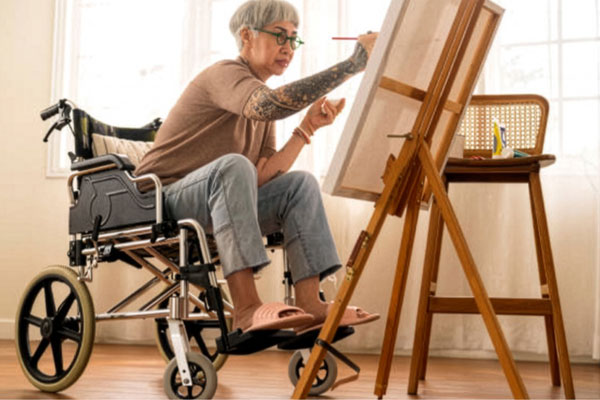
Our team has been studying an approach called Behavioral Activation (BA). The idea is simple but powerful: gradually increasing meaningful activities—such as spending time with friends, cooking, walking, or creative pursuits like painting or music—can improve mood. For people with TBI, who may face barriers to resuming past activities, BA emphasizes finding new ones that align with personal values, such as exercising for health, calling a friend for support, or engaging in a creative hobby.
To test this, we created a treatment called BA with Technology (BAT). Over 8 weeks, participants worked with a therapist to identify values, set up activity schedules, and use a smartphone app that “pinged” them throughout the day. These quick check-ins asked about mood and activity, and the results helped guide therapy sessions. A comparison group got motivational text messages, but without the full BA program.
We enrolled 60 people living with chronic TBI and symptoms of depression or anxiety. Results were encouraging. Those in the BAT program who had higher levels of distress at the start showed big improvements in mood compared to the other group. Everyone in BAT, regardless of initial distress, reported more rewarding activities and greater sense of accomplishment in daily life. Many participants felt the program made a real difference in their recovery.
What’s especially promising is that people with very severe TBI—even with memory or thinking challenges—were able to use the app and benefit from the program. Engagement was high, with most participants responding to daily phone prompts.
These results suggest that blending therapy with mobile health tools can help people with TBI build back meaningful activity, lift mood, and feel more in control. While more research is needed, BA could become an important option for those seeking non-medication approaches to managing depression and anxiety after TBI.
* This article was adapted from an article published in The Moss Traumatic Brain Injury Model System’s Fall 2025 Edition of Brain E-News.